What Is Skin Symptom Tracking?
Skin symptom tracking is exactly what it sounds like: keeping a record of what's happening with your skin over days, weeks, or months, instead of relying on memory alone. This can include things like:
- Itching
- Redness
- Dryness
- Pain or discomfort
- Flare-ups
- Changes in appearance
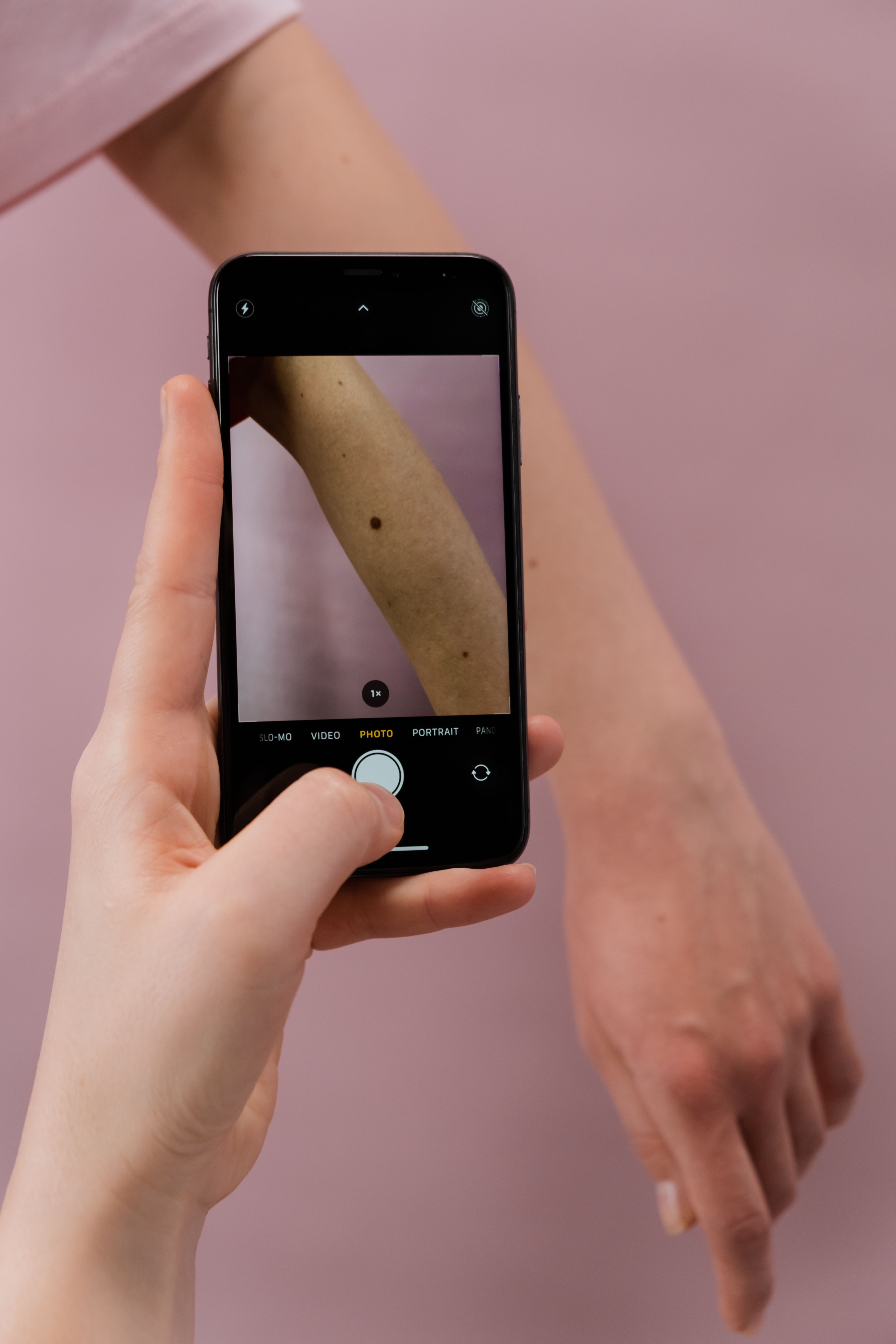
- Photos
Why Memory Alone May Not Tell the Whole Story
People forget details, and that's true even for things that felt significant at the time. A flare-up that seemed severe a few weeks ago can be genuinely hard to describe with any real accuracy once it's faded. It's also common for symptoms to improve right before an appointment, which can make things look better than they've actually been overall. Photos and dated notes help fill in those gaps by showing how your skin actually changed, not just how it looks on a given day. None of this replaces a dermatologist's examination, but it gives them more to work with.
What Should You Track Before a Dermatology Appointment?
If you're not sure where to start, here's a practical checklist:
Symptoms
- What symptoms are you experiencing?
- When did they begin?
- How often do they occur?
- Are they getting better or worse?
Appearance
- Take consistent photos when appropriate.
- Note changes in the affected areas.
Possible triggers
- Stress
- Weather
- Skincare products
- Sleep
- Illness
- Lifestyle changes
- Anything else that seems relevant
Treatments
- Products or medications you're using
- How often you're using them
- Any changes you've noticed since starting them
How Tracking Can Make Your Dermatology Conversation More Productive
Walking into an appointment with organized information changes the conversation. Instead of trying to reconstruct months of symptoms on the spot, you can describe what happened more clearly, remember when changes actually occurred, and show how your skin developed between visits. It also makes it easier to talk through possible triggers and whether a treatment seemed to help or not, which naturally leads to more specific questions. One important caveat here: tracking isn't about diagnosing yourself. Your dermatologist is the one who interprets that information within the broader context of your health, and that's still their job, not yours.
How Psoricare.ai Can Help
This is exactly the kind of tracking Psoricare.ai is built for. It lets you log skin symptoms, record flare-ups, upload photos, document possible triggers, and monitor changes over time, all kept organized in one place instead of scattered across your camera roll and half-remembered notes.
Here's what that looks like in practice. Instead of telling your dermatologist "my skin has been getting worse recently," you can actually show them:
- When symptoms began
- How symptoms changed over time
- Photos from different dates
- Possible factors you noticed around flare-ups
- What treatments or skincare products you were using
It's important to be clear about what this tool is and isn't. Psoricare.ai helps you track and organize information. It's not a replacement for professional medical diagnosis or treatment, and it never claims to be.
Questions to Take to Your Dermatologist
Once you've got your tracking data together, it can help to walk in with a few specific questions ready, like:
- What might be contributing to these symptoms?
- Could any of my current products be irritating my skin?
- What should I watch for between appointments?
- How should I be monitoring changes going forward?
- How long should I expect treatment to take?
- When should I schedule a follow-up?
What Symptom Tracking Cannot Do
Let's understand the limits here too. Tracking can't diagnose a skin condition, and noticing a pattern doesn't necessarily mean you've found the cause of a flare-up. Photos are helpful, but they can't replace a clinical examination. You also shouldn't stop or change a prescribed treatment based solely on what you're seeing in your own tracking data. And if symptoms are persistent or concerning, that's a reason to see a healthcare professional, not just something to keep logging.
Make Your Next Dermatology Appointment More Informative
If you've been putting off starting a symptom log, your next appointment is a good reason to begin. Consistent records, even if they only cover a few weeks, tend to be far more useful than trying to piece together months of symptoms from memory alone. Bring what you've tracked, along with your questions, to your next visit. The goal here isn't to diagnose yourself before you even walk in the door. It's to communicate more clearly once you do.
Show Up to Your Next Appointment Prepared
Your dermatologist only sees your skin at one point in time, but your symptoms can change considerably in the weeks between appointments. Tracking creates a record of those changes so nothing gets lost to memory. Showing up with organized information can genuinely change how productive your appointment feels, and Psoricare.ai gives you a convenient way to build that record.
Don't rely on memory alone. Start tracking your skin symptoms, photos, flare-ups, and possible triggers with Psoricare.ai, and bring a clearer picture of your skin health journey to your next appointment.