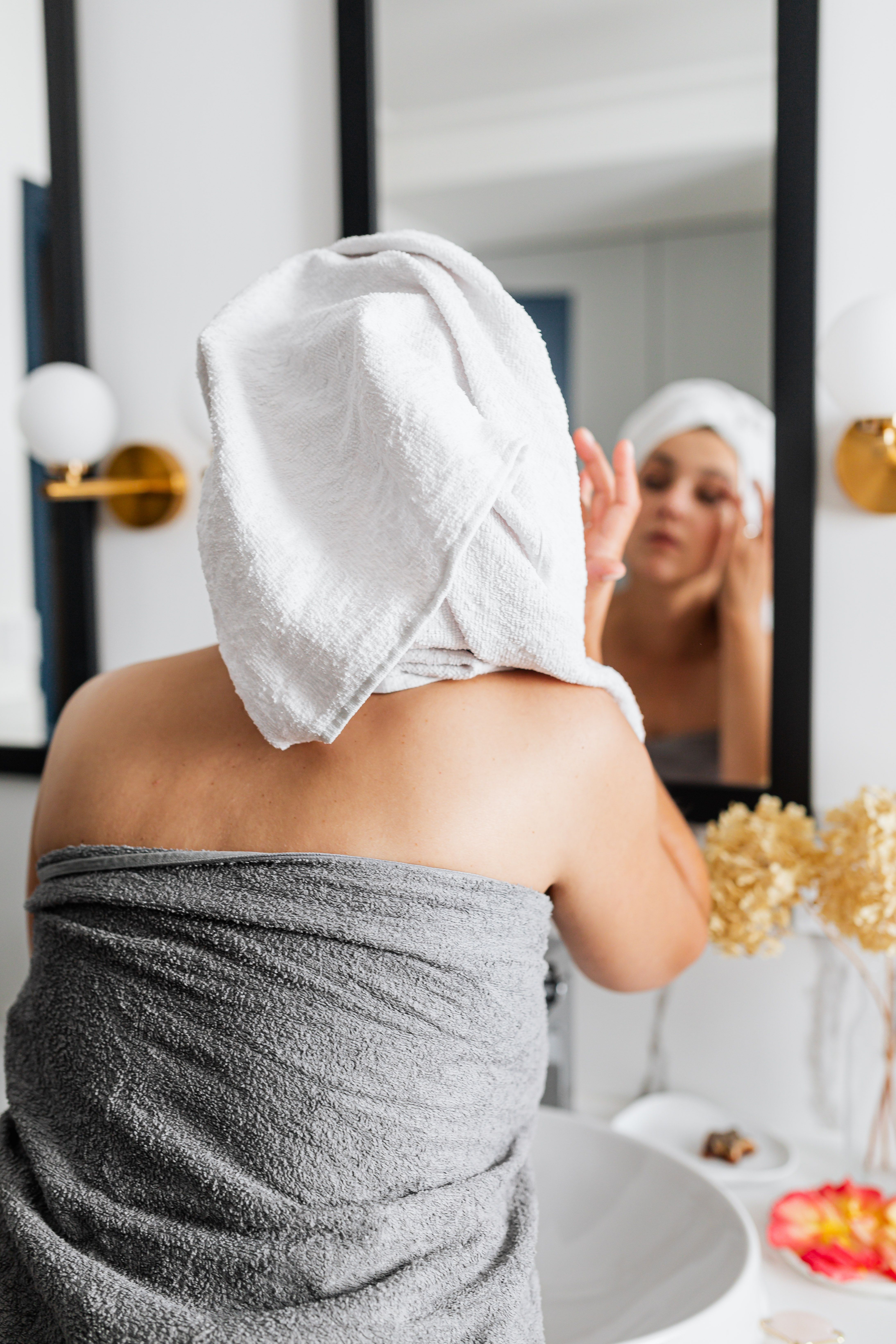
Taking a bath makes you feel like a completely new person. Every time you step into the bathroom, you come out expecting to get a boosted mood, feel less pessimistic, and enjoy more pleasure.
According to Psychologist Neil Morris, a shower gives you a chance to take a real break from the stress and gives you some much-needed comfort.
However, you may hit the shower only to end up with uncomfortable side effects: flare-ups. What causes it? Read on to find out what causes skin flare-ups after a shower, and what you need to track.
What Does a Post-Shower Skin Flare-Up Look Like?
Post-shower skin flare-ups appear different based on the causes. Typically, the key symptoms include redness, bumps, and dry patches that appear shortly after bathing.
The following are the common visual signs of post-shower skin flare-ups:
• Redness and flushing: Your face, neck, or chest may turn bright red or splotchy from heat dilating blood vessels or an impaired skin barrier.
• Cholinergic Urticaria (Hives): Red, raised, or skin-colored welts and bumps appear rapidly as your body temperature rises or sweat glands activate.
• Contact Dermatitis Patches or Eczema: Patches of inflamed, swollen, thickened, or blistering skin become visible and prominent. Hot water and fragranced soaps are among the key shower triggers for eczema.
• Dry or tight skin: Your skin surface may look dull, tight, or shiny. Sometimes, it can develop fine cracks, scales, or flakes as a result of the stripping of natural oils.
• No visible rashes: Your skin may itch, burn, or sting, without showing any physical marks or redness.
Common Reasons Your Skin Reacts After Showering
1. Hot Water and Prolonged Showers
Showering with hot water is pleasant, especially on a cold day or after exercise. However, very hot water can increase dryness and stress on the skin barrier. If your skin turns noticeably red or tight after showering, lower the temperature gradually to a comfortably lukewarm level.
Additionally, prolonged showers may leave you with flare -ups after bathing. According to the American Academy of Dermatology, a shower should last roughly five to ten minutes (with lukewarm water) for dry skin.
2. Harsh Soaps and Fragranced Products
Most people experience dry skin after a shower because they use more cleanser than their skin needs.
More lather doesn’t mean a better bath. If your skin is dry or sensitive, it’s enough to gently cleanse those areas where sweat, dirt, or odor build up, instead of heavily soaping the whole body.
Also, some fragranced products may not suit your skin. A scented gel, shampoo, scrub, and lotion can combine to create a perfumed cloud that may leave you with itchy skin after a shower. They can also react to a product you had used previously without a problem, to give you skin irritation after bathing.
If you suspect that a fragranced product leaves you with skin flare-ups after a shower, simplify your shower routine and introduce new products.
If you observe a recurring or persistent rash, consult a dermatologist.
3. Dry Skin and a Weakened Skin Barrier
Dry skin often lacks moisture and may feel itchy or tight after a shower. When you bathe with very hot water and soaps, especially those with fragrance, the skin’s lipid barrier may get disrupted, removing natural oils that help keep the skin hydrated.
When you take a hot shower, the soap and water strip away the skin’s oils, making the skin feel tight and itchy. Sometimes, the skin may crack or even bleed.
4. Eczema, Psoriasis, and Other Existing Skin Conditions
Eczema, psoriasis, and other skin conditions can lead to itching and excessive skin dryness, especially after showering.
For instance, eczema is a chronic skin condition that often causes rashes and bumps on the skin. If you have it, your skin may feel even itchier and more uncomfortable after bathing because it lacks natural oils.
How to Identify Your Flare-Up Triggers
Do you get flare-ups after a shower? These are ways to identify your triggers:
• Check for a rash. Do you get red, scaly patches (eczema), raised bumps (hives), or completely normal-looking skin with intense itching?
• Note the timing. When does the itch start? Is it immediately after the water hits you, or 10-20 minutes later as your skin dries?
• Check the temperature. Does cool or lukewarm water prevent the reaction? Does a hot shower bring it back?
Practical Ways to Reduce Post-Shower Irritation
If you have been getting flare-ups after taking a bath, you can manage the irritation with the right shower habits and skincare routine. Follow the following simple and important tips.
a. Use Lukewarm Water
When taking a bath, use lukewarm water instead of very hot water. This will prevent damage to your skin’s lipid barrier and moisture loss. Besides, lukewarm water protects natural oils and reduces dryness naturally.
b. Switch to Gentle Exfoliating Body Wash
Mild, fragrance-free, hypoallergenic, or moisturizing body washes can deeply nourish your skin, as deodorizing or antibacterial soaps can disrupt the pH level, leading to dryness and irritation.
c. Moisturize the Skin Immediately After Bath
Apply a heavy, fragrance-free cream, lotion, or ointment within 3-5 minutes of stepping out of the bathroom. This helps lock in the moisture and reduce skin dryness. Moisturizing the skin is one of the most important steps because it keeps the skin fresh and nourished.
d. Pat Your Skin; Don’t Rub
Gently pat your skin dry instead of rubbing it with a towel. This will prevent friction that often removes moisture. Patting your skin leaves a light layer of moisture on the surface.
What to Track When Showering Seems to Trigger Flare-Ups
When taking a bath triggers psoriasis flare-ups, tracking the patterns in a symptom log or tracking app like Psoricare.ai is the best way to discover the hidden environmental triggers. Showering involves numerous physical and chemical variables that can lead to flare-ups.
Here are some of the things you should track.
• Water Quality and Content. Studies link chlorine and chloramine in tap water to skin irritation. Track the symptoms when you use filtered vs. unfiltered water. Additionally, hard water (with high amounts of calcium and magnesium) leaves an irritating residue on the surface of the skin.
• Products and Ingredients. Record the exact cleanser and shampoo brands you use. Check for sulphates, alcohol, heavy preservatives, and synthetic fragrances. Also, log any medicated coal tar solutions, salicylic acid washes, or calming oatmeal additives you may have used during or after showering.
• Temperatures and Duration. Extremely hot water dilates blood vessels and rapidly strips away natural moisture. Track the temperature of your shower water: hot, warm, or lukewarm.
• Physical friction and Post-Shower Habits. Note your body drying method. Do you rub your skin using a towel, or gently pat the skin? Towel friction with the skin can activate the Koebner phenomenon, where the skin trauma causes new plaques. Also, note the moisturizing window. Track the time between the shower and skin moisturization. Apply the skin moisturizer within 3 minutes after stepping out of the bathroom.
Flare-Ups After Shower: When to Seek Medical Advice
Seek medical attention if the itching, burning, dryness, or stinging lasts for more than two hours, does not improve with home remedies, or is accompanied by signs of skin infection or severe illness.
Track Your Skin Symptoms with Psoricare.ai
Psoricare.ai is a digital logbook that helps you record daily skin conditions, rate symptoms such as redness or itching, upload progress photos, and note specific triggers. If you’ve been observing flare-ups after showering, Psoricare.ai helps you track these symptoms and share clear patterns with your dermatologist.
Start tracking your symptoms.
Bottom Line
Getting flare-ups after a shower is common. Fortunately, identifying the triggers and changing your shower routine can help address the problem.
However, if the flare-ups don’t subside within an hour or two after taking the bath, or if you feel the itching or burning even after you’ve tried the home remedies, consult your dermatologist.
skin care
Why Does My Skin Flare Up After a Shower? Common Causes and What to Track
5 min read