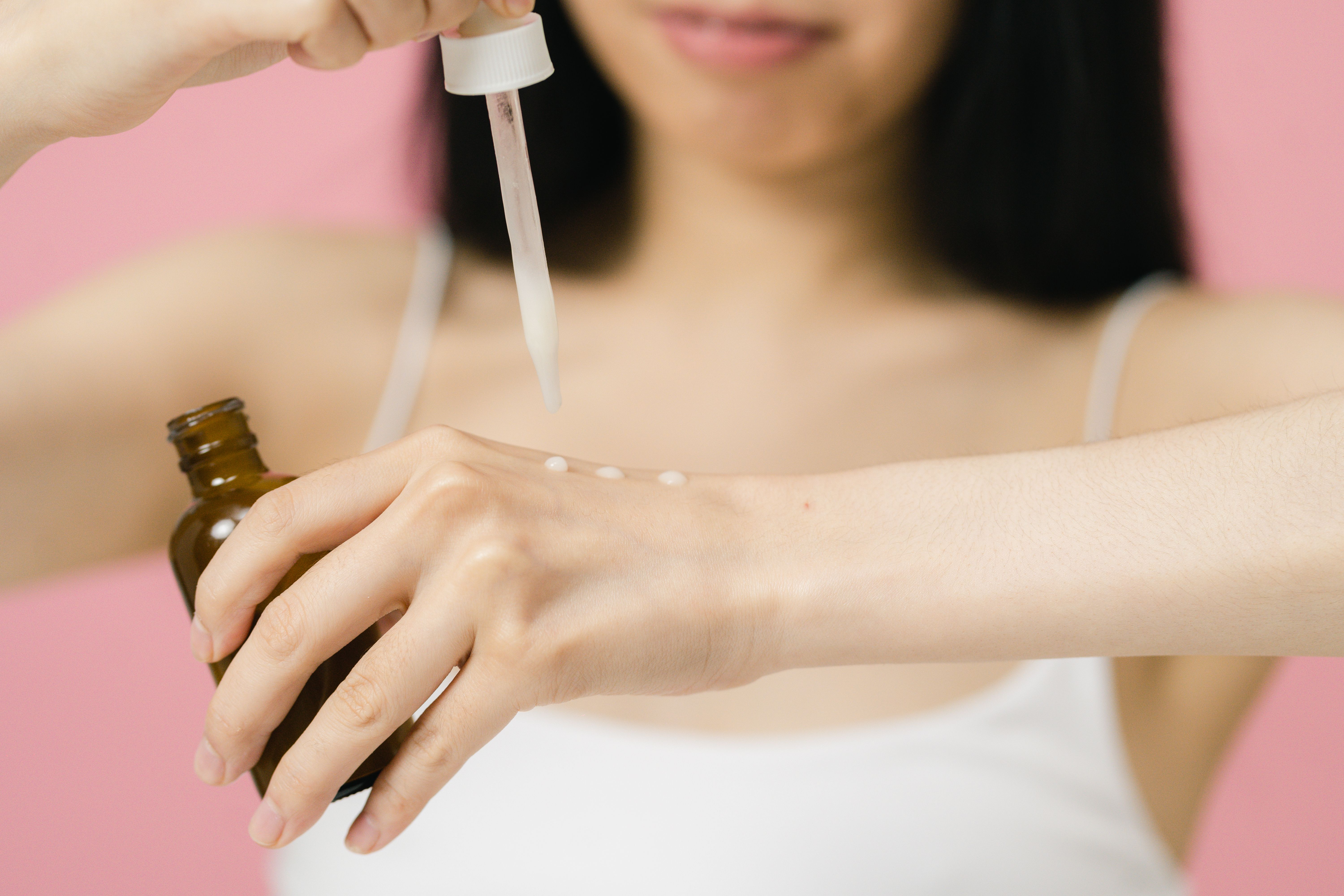
What Are Skincare Ingredients?
Skincare products are typically built from a mix of different ingredient types, each serving its own purpose. Active ingredients are the ones doing the main work, like treating acne or exfoliating. Supporting ingredients help the formula function or feel a certain way. Preservatives keep the product stable and safe to use over time. Fragrances add scent but don't treat anything. Moisturizing ingredients help hydrate or protect the skin. A single ingredient can even serve different purposes depending on how it's formulated and combined with everything else in the product.
Ceramides: Supporting the Skin Barrier
What are ceramides? Ceramides are lipids, a type of fat molecule, that occur naturally in your skin. They're a major structural component of your skin barrier, the outermost layer that keeps moisture in and irritants out.
What do ceramides do? They help reduce water loss, support overall skin barrier function, and help maintain hydration.
Who might benefit from ceramides? People with dry skin, sensitive or easily irritated skin, or a compromised skin barrier tend to see the most benefit from ceramide-containing products.
What to look for. Ceramides can appear under a few different names on ingredient labels, such as ceramide NP or ceramide AP. They're commonly found in moisturizers and gentle cleansers.
Retinoids: Understanding Vitamin A Derivatives
What are retinoids? Retinoids are a family of compounds derived from vitamin A. Some, like tretinoin, are only available by prescription, while others, like retinol, are sold over the counter in lower strengths.
What are retinoids used for? They're commonly used for managing acne, supporting skin cell turnover, addressing certain signs of photoaging, and improving some forms of uneven texture.
Important considerations. Retinoids can cause dryness or irritation, especially early on, and skin often needs time to adjust. Strength and formulation matter quite a bit, and some retinoid products genuinely require professional guidance to use safely.
Who should exercise caution? People with very sensitive or already irritated skin, and anyone using several other potentially irritating products at once, should be extra careful. Pregnant people should talk to a healthcare professional about retinoid use specifically, since guidance here differs from general skincare advice.
Salicylic Acid: Understanding a Common Exfoliating Ingredient
What is salicylic acid? It's a beta hydroxy acid, or BHA, known for its ability to get into oily areas of the skin and help clear away dead skin cells.
What is salicylic acid used for? It's commonly used for acne, blackheads, clogged pores, excess oil, and certain forms of scaling or thickened skin.
Potential side effects. Dryness, irritation, stinging, and increased sensitivity can all show up, particularly if it's overused.
Using it responsibly. Start with an appropriate concentration and frequency, avoid stacking too many other irritating products at the same time, and scale back or stop if significant irritation develops.
Other Common Skincare Ingredients You Should Know
A few more terms you'll run into regularly:
- Hyaluronic acid helps attract and hold water in the skin.
- Glycerin is a humectant that supports skin hydration.
- Niacinamide is a form of vitamin B3 used across a wide range of skincare formulations.
- Benzoyl peroxide is commonly used in acne products.
- Alpha hydroxy acids (AHAs), including glycolic and lactic acid, are used for exfoliation and improving skin texture.
- Petrolatum helps reduce water loss and protect the skin barrier.
- Fragrance isn't a treatment ingredient at all. It's added purely for scent, and it can irritate people with sensitive skin.
How Skincare Ingredients May Affect Different Skin Conditions
No single ingredient is right for everyone, but a few general patterns show up often.
Acne is commonly managed with salicylic acid, benzoyl peroxide, and retinoids.
Eczema and very dry skin often respond well to ceramides, glycerin, and petrolatum, with fragrance-free formulations tending to be gentler for many people.
Psoriasis can benefit from consistent moisturization to help manage dryness and scaling, though it's worth being clear that skincare products don't replace prescribed psoriasis treatments.
Sensitive skin generally does better with simpler formulations and fewer active ingredients at once. Patch testing and introducing products gradually can help you spot a reaction before it becomes widespread.
How to Read a Skincare Ingredient List
Step 1: Look at the product's purpose. Is it a cleanser, moisturizer, exfoliant, or acne treatment? This context shapes what to expect from the ingredient list.
Step 2: Identify the active ingredients. What is this product actually designed to do?
Step 3: Check for potential irritants. Watch for fragrance, strong exfoliating ingredients, and alcohols or other components that might irritate your skin specifically.
Step 4: Consider your skin. Is it dry, oily, sensitive, acne-prone, or affected by a chronic condition? The same ingredient can behave very differently depending on the skin it's applied to.
Step 5: Introduce new products gradually. Adding several new products at once makes it much harder to figure out what's actually causing a reaction if one shows up.
Can You Use Multiple Skincare Ingredients Together?
Some combinations tend to work well together. Ceramides paired with other hydrating ingredients, or a moisturizer layered with active ingredients to support the skin barrier, are generally considered reasonable pairings. Other combinations call for more caution, like retinoids combined with exfoliating acids, multiple exfoliating products used together, or several acne treatments applied at the same time. The formulation, concentration, frequency of use, and your own individual skin all factor into how well a combination actually works.
Skincare Ingredients and Skin Flares
Introducing a new product can sometimes line up with increased dryness, redness, itching, burning or stinging, breakouts, or changes in existing symptoms. This doesn't necessarily mean the new product caused the reaction, but the timing is worth paying attention to. Tracking when you introduced a product and noting any changes that followed can help you build a clearer picture over time, even though that kind of pattern doesn't prove causation on its own.
How Psoricare.ai Can Help You Track Skincare Changes
This is exactly where a tool like Psoricare.ai becomes useful. You can record new skincare products, note the ingredients, log the dates you introduced them, and track your symptoms, flare-ups, photos, and severity changes alongside everything else you're already monitoring. Having all of this in one chronological record makes it much easier to spot patterns, like a flare-up that consistently follows a new product, and to bring that information into a more informed conversation with a healthcare professional.
When to Seek Professional Advice
It's important to talk to a dermatologist or other healthcare professional if a product causes significant irritation, a skin reaction is severe or rapidly getting worse, symptoms persist even after you've stopped using a suspected irritant, an existing skin condition seems to be worsening, you're considering prescription-strength ingredients, or you're simply unsure whether a product is appropriate for your skin.
Understand Ingredients Without Becoming a Skincare Expert
Skincare labels can look intimidating, but the basics are genuinely learnable. Ceramides, retinoids, and salicylic acid each serve different purposes, and how well any ingredient works for you depends on the formulation and your own skin. Introduce new products carefully, one at a time, and track how your skin actually responds rather than relying on memory alone.
Trying to understand what affects your skin? Use Psoricare.ai to track skincare products, symptoms, flare-ups, and changes over time, so you can build a clearer picture of your skin health.