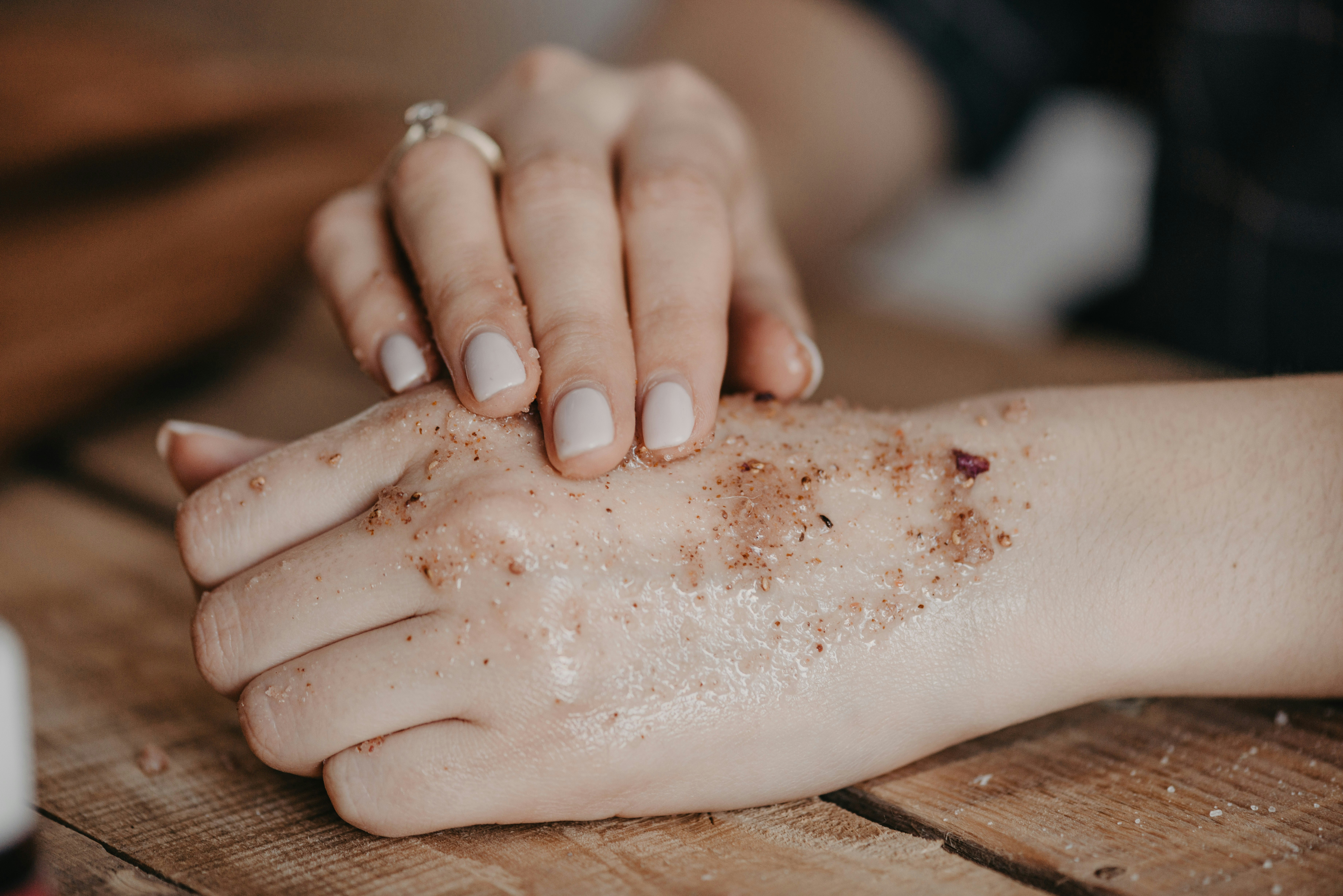
What Causes Eczema Flare-Ups?
Eczema flare-ups can be triggered by a wide range of things, and what sets off one person's skin might not bother another's at all. Some of the most common triggers include:
- Dry weather
- Irritating skincare products
- Fragrances
- Certain fabrics
- Heat and sweating
- Stress
- Environmental factors
- Allergens, for some people
Because triggers vary so much from person to person, it's worth paying attention to your own patterns rather than assuming your eczema behaves the same way someone else's does.
Moisturizers and Eczema Skincare
Moisturizing is one of the simplest and most important parts of managing eczema. A few habits make a real difference here:
- Choosing fragrance-free moisturizers
- Applying moisturizer regularly, not just when your skin feels dry
- Moisturizing right after bathing, while skin is still damp
- Picking products made for sensitive skin
- Steering clear of anything that seems to irritate your skin
Moisturizers help support your skin barrier, but they're not a replacement for medical treatment when your eczema needs more targeted care.
Topical Treatments for Eczema
For a lot of people, topical treatments are the next step after skincare basics.
Topical corticosteroids are commonly used to help reduce inflammation during flare-ups. The strength and how long you use them should be guided by a healthcare professional, since using them incorrectly can cause its own issues.
Non-steroidal topical medications are another option some doctors recommend, particularly for people who need a different approach or want to avoid steroids for certain areas of skin.
Other topical treatments exist too, and which one makes sense for you depends on things like your symptoms, how severe they are, your age, where the eczema shows up on your body, and your overall health.
Other Eczema Treatment Options
For moderate to severe eczema, skincare and topical treatments alone might not be enough. In those cases, a healthcare provider might discuss:
- Phototherapy
- Prescription oral medications
- Injectable biologic medicines
- Other systemic treatments
These options tend to be more involved and require professional evaluation and ongoing monitoring, so they're not something to pursue without guidance from a provider.
Lifestyle Habits That May Support Eczema Management
Alongside medical treatment, everyday habits can play a role in how your skin feels day to day:
- Keeping showers lukewarm instead of hot
- Using gentle, non-irritating cleansers
- Avoiding your known personal triggers
- Keeping fingernails short to reduce damage from scratching
- Wearing comfortable, breathable clothing
- Managing stress where you can
- Sticking to a consistent skincare routine
None of these habits will cure eczema on their own, but they can make flare-ups a little more manageable when paired with the right treatment.
Why Tracking Your Eczema Symptoms Can Help
Eczema can be unpredictable, which makes it easy to lose track of what's actually going on with your skin over time. Keeping a record of your symptoms can help you spot patterns you might otherwise miss. Things worth tracking include:
- Itching and irritation
- How often flare-ups happen
- Changes in your skin
- Photos over time
- Skincare products you're using
- Possible triggers
- Stress levels
- Sleep
- Environmental changes
How different treatments seem to be working
This is where a tool like Psoricare.ai can be genuinely useful, giving you one place to organize all of this information instead of trying to remember it all or scatter it across notes and photos. It's worth being clear about what tracking can and can't do, though: it doesn't diagnose eczema, and it can't prove that one specific factor caused a particular flare-up. What it can do is help you notice patterns and walk into appointments with more useful information to share.
When Should You See a Dermatologist?
It's a good idea to check in with a dermatologist if:
- Your symptoms aren't improving
- Flare-ups are becoming more frequent
- Itching is interfering with sleep or daily life
- Your skin looks like it might be infected
- Symptoms are severe
- Your current treatment doesn't seem to be working
- You're not sure whether what you're dealing with is actually eczema
A dermatologist can help confirm what's going on and adjust your treatment plan based on how your skin is actually responding.
Finding an Eczema Treatment Plan That Works for You
Eczema looks different from person to person, and what works well for you might change over time. It's common for treatment plans to need adjustments as your skin, environment, or life circumstances shift. Following your provider's guidance, sticking with a consistent skincare routine, and keeping an eye on your symptoms all go a long way. Tracking your symptoms can also give you something concrete to bring into appointments, which can make those conversations more productive.
Managing Eczema One Step at a Time
Eczema can be frustrating to live with, but for most people, symptoms can be managed with the right combination of care. That might mean moisturizers and a solid skincare routine, topical medications, or more advanced treatments depending on how severe your eczema is. Figuring out your personal triggers takes some trial and error, and keeping track of your symptoms over time can make that process a lot clearer. Psoricare.ai can help you document your skin health journey along the way.
Want to better understand your eczema? Start tracking your symptoms, flare-ups, possible triggers, and skin changes with Psoricare.ai.